Where it began
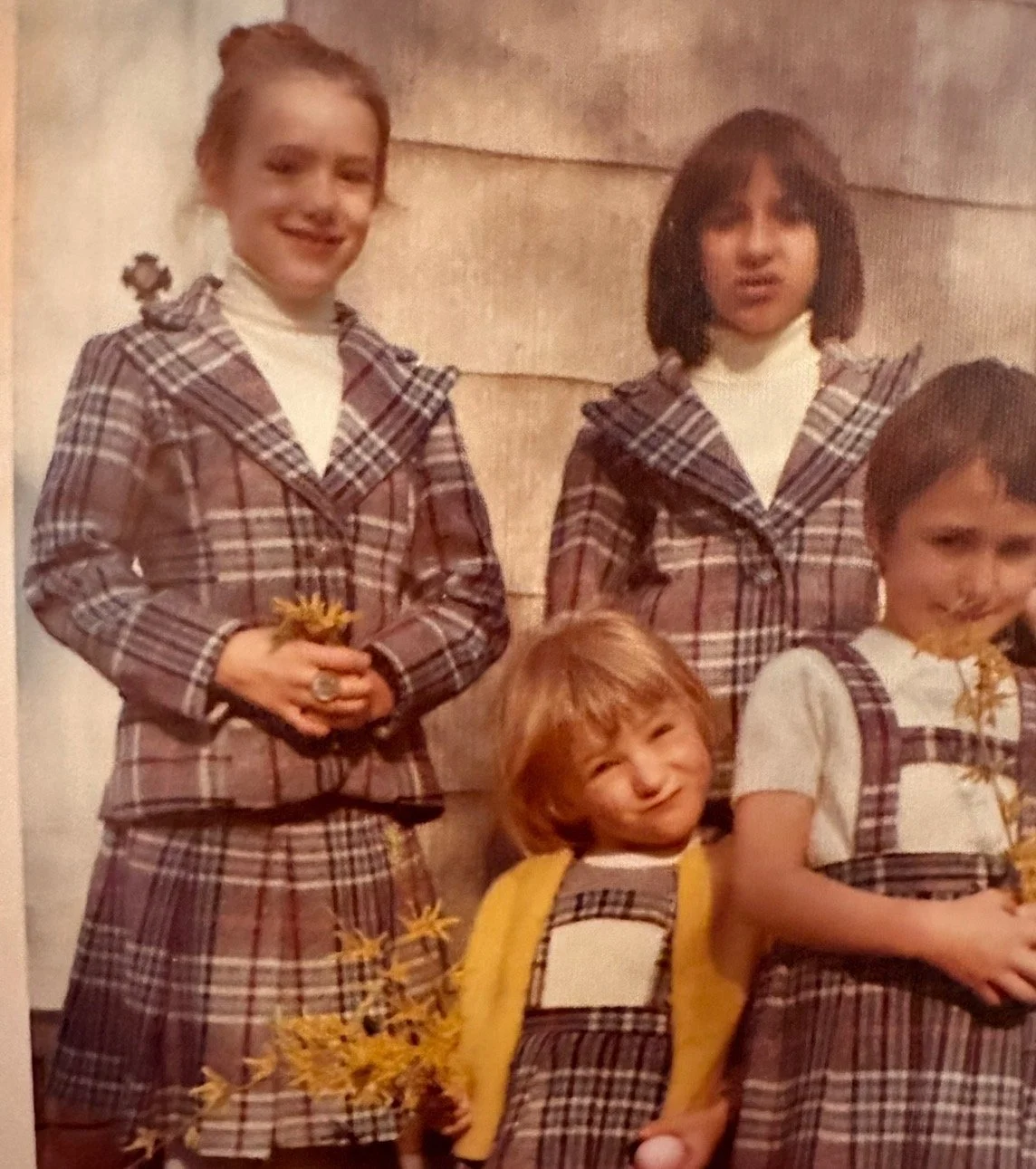
My love for textiles began when I was a young girl, watching my mother sew clothes for five children — holiday outfits, special occasions, even matching Easter Sunday outfits for my four siblings and me. From fabric that was sometimes repurposed upholstery, she could seemingly create anything. I learned the basics of sewing at my mother’s knee, eventually designing and sewing my own high school prom dress. She sparked in me an appreciation for the possibilities held within a piece of cloth.
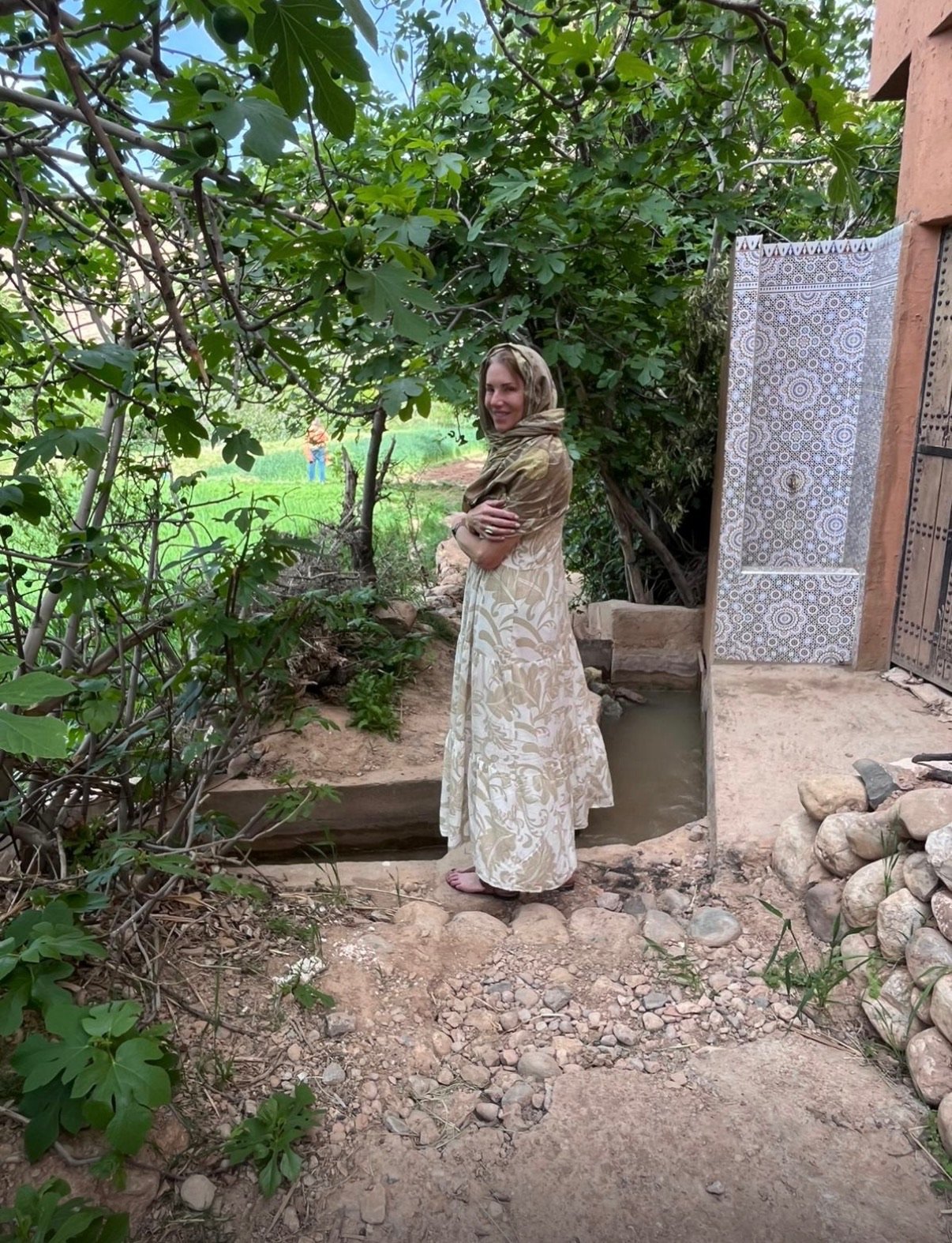
Threads from Afar
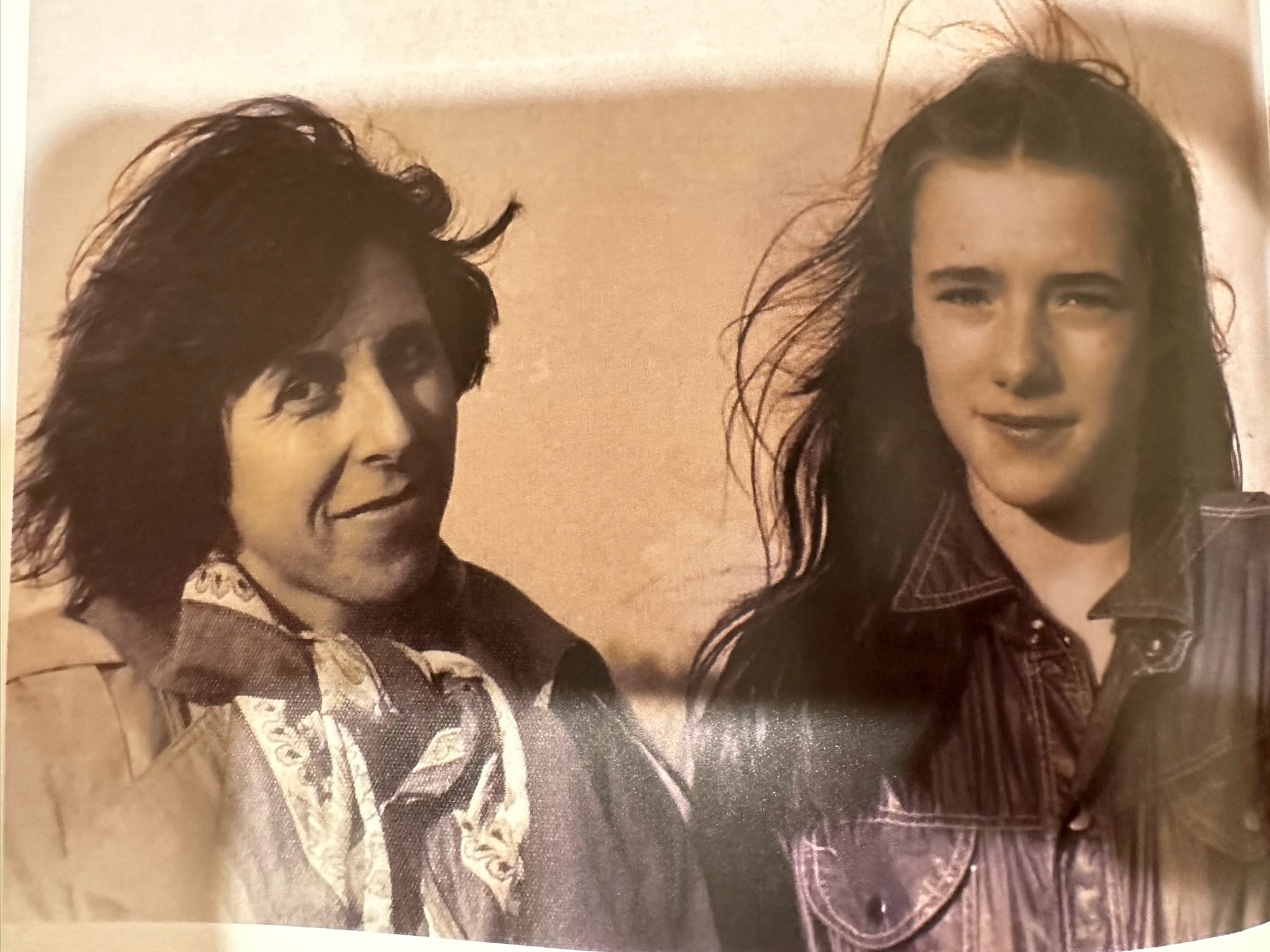
A respect for culture was also passed on to me by my parents. As a child, I remember my father sharing photographs from his Peace Corps years in Africa. I was fascinated by the colorful kaftans worn by the women in those pictures. He had brought one home, and I would sometimes take it from his closet simply to touch the fabric and study its colors up close.
Years later, that same fascination with textiles, nature and cultures beyond my own continues to shape the way I see the world — and the way I create.
Finding Nature
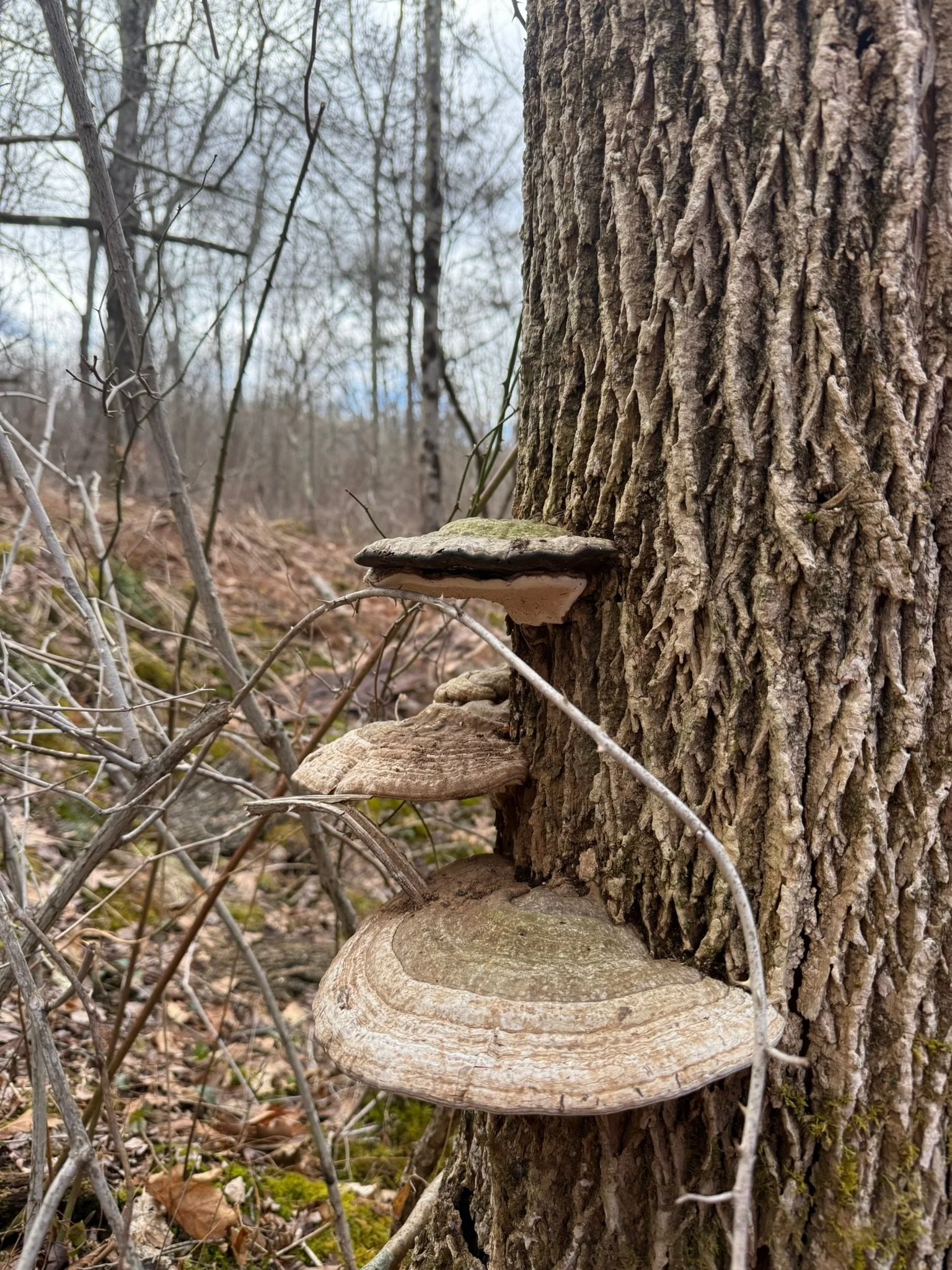
It wasn't until my late thirties, when I began running, that I started to see the natural world differently. Training took me outside for hours at a time, but increasingly it wasn't the run that held my attention. It was what I discovered along the way.
A spiderweb glistening with morning dew. A winter landscape from the top of a hill. A flower emerging unexpectedly at the side of the road. I would stop to look, often taking a photograph, wanting somehow to hold onto what I had seen.
I began to realize there was something in me that needed to be nurtured creatively. The question slowly became: How could I bring this beauty of nature into textile art?
Discovering Eco-Printing
Discovering the Process
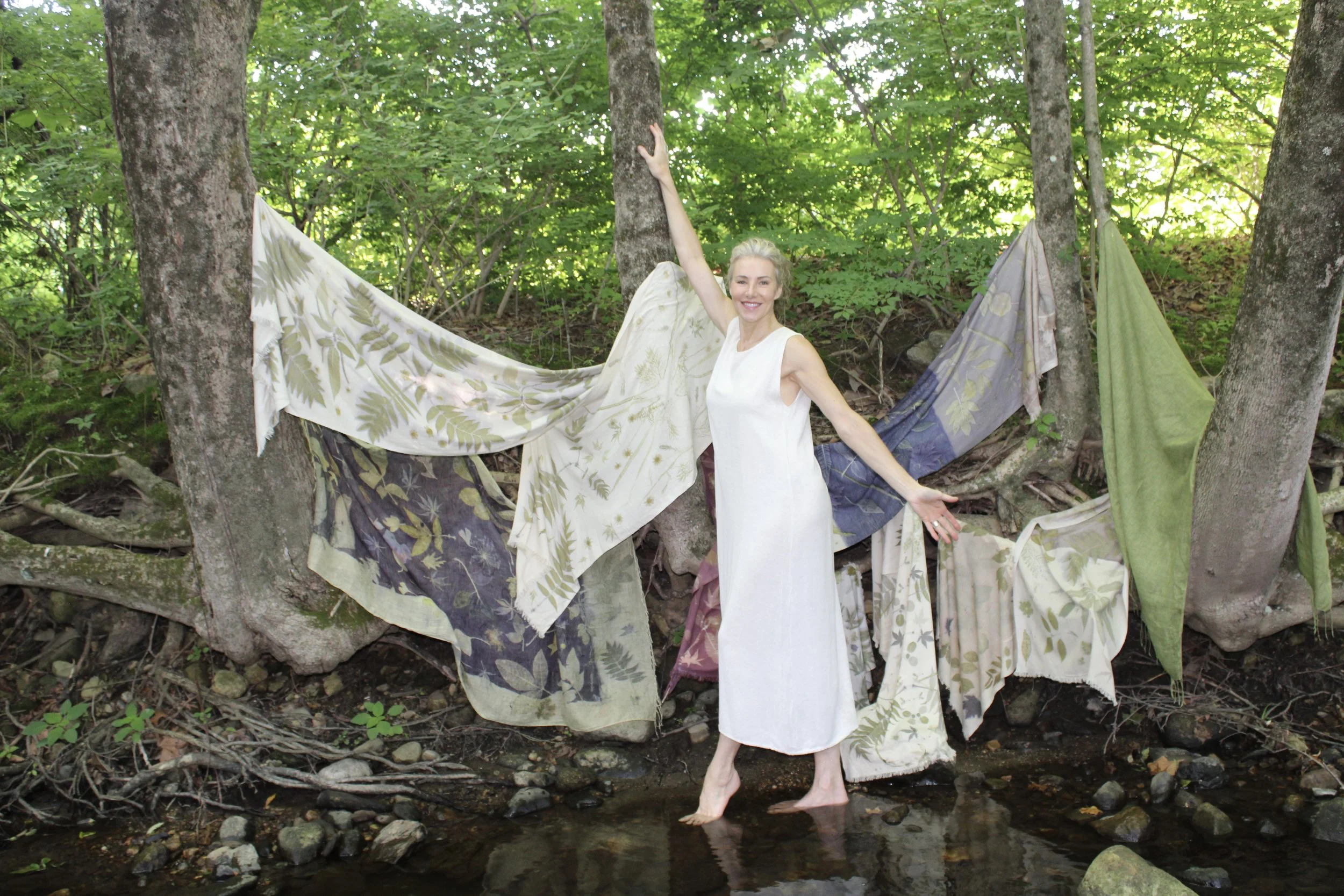
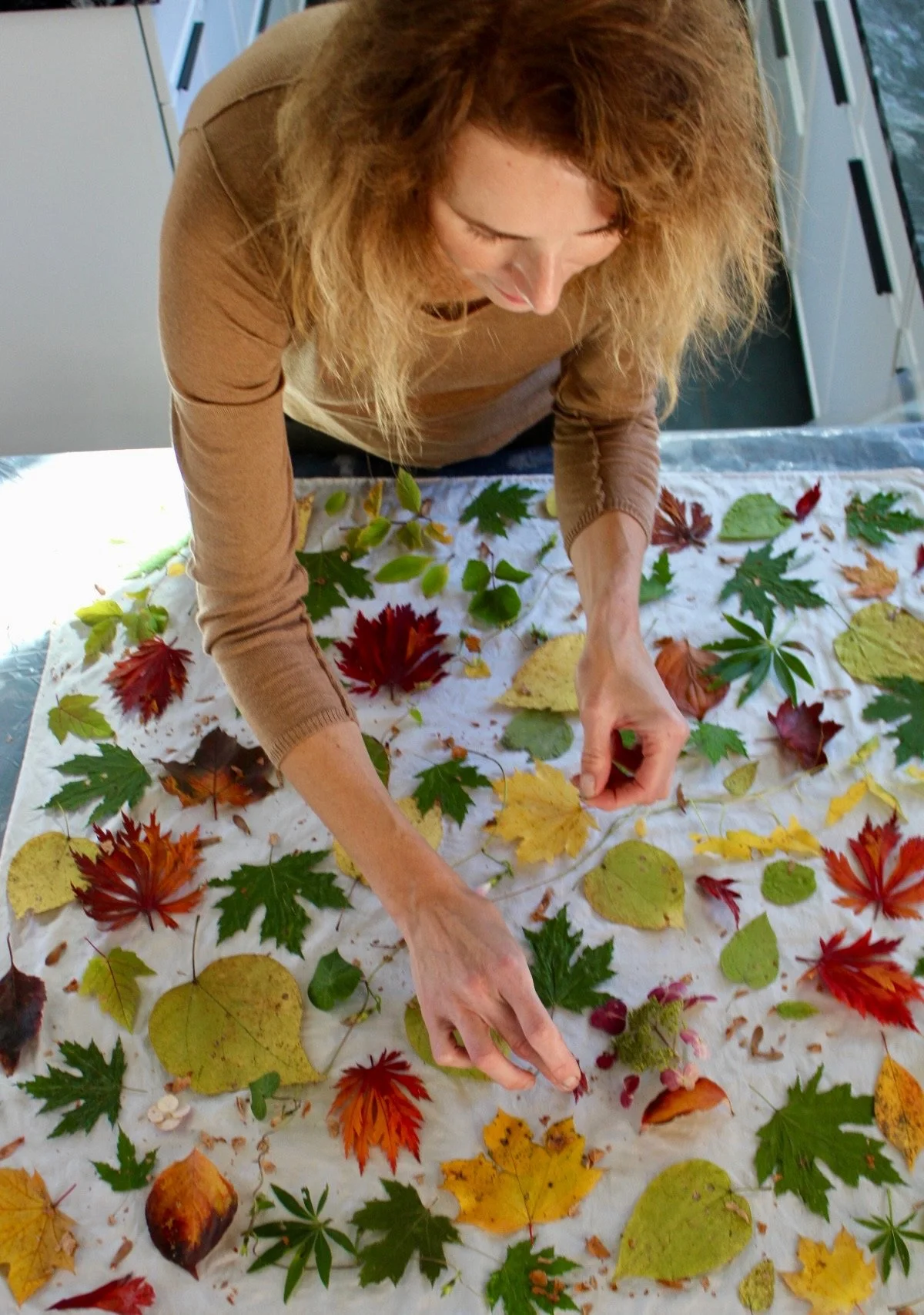
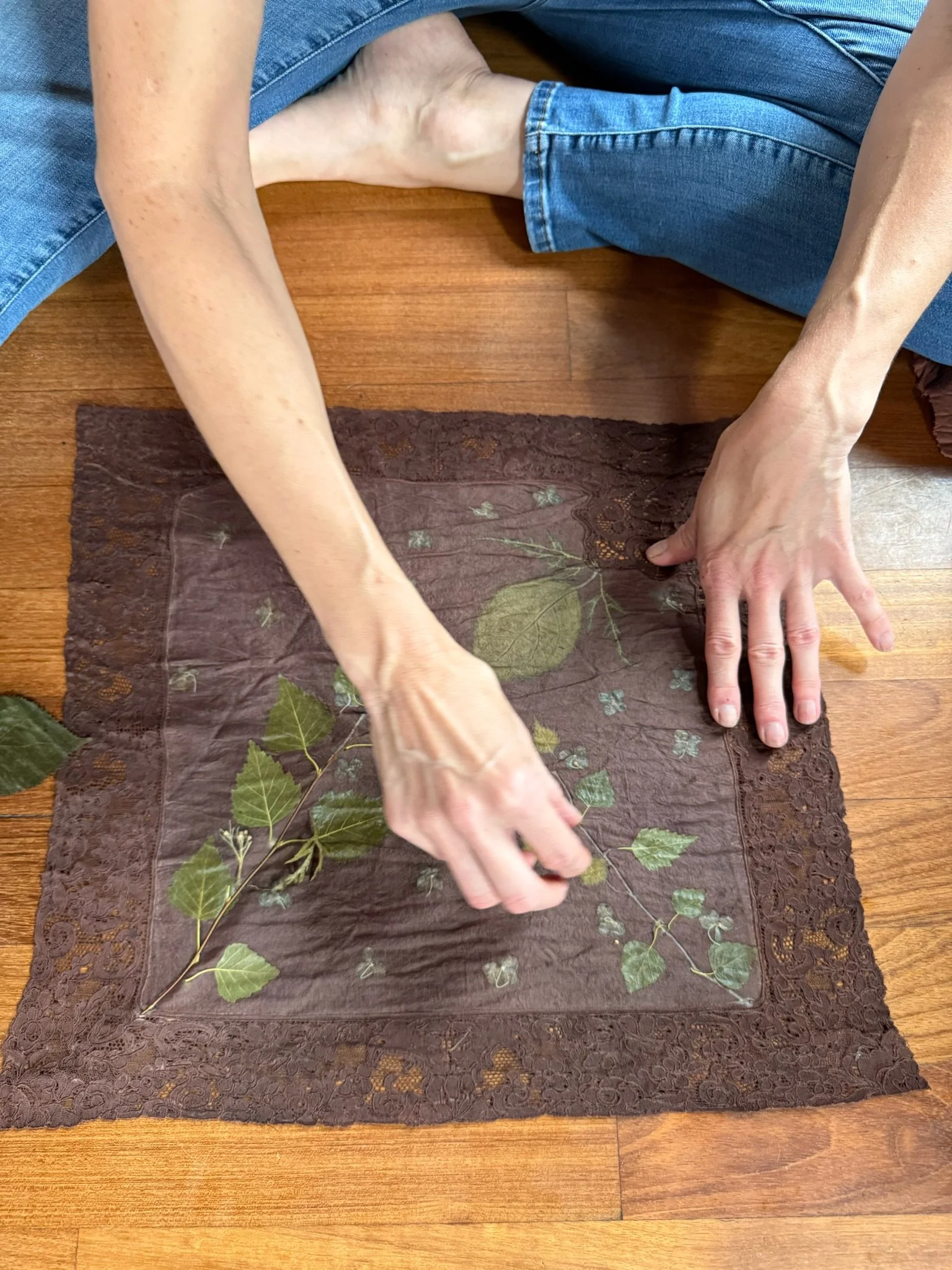
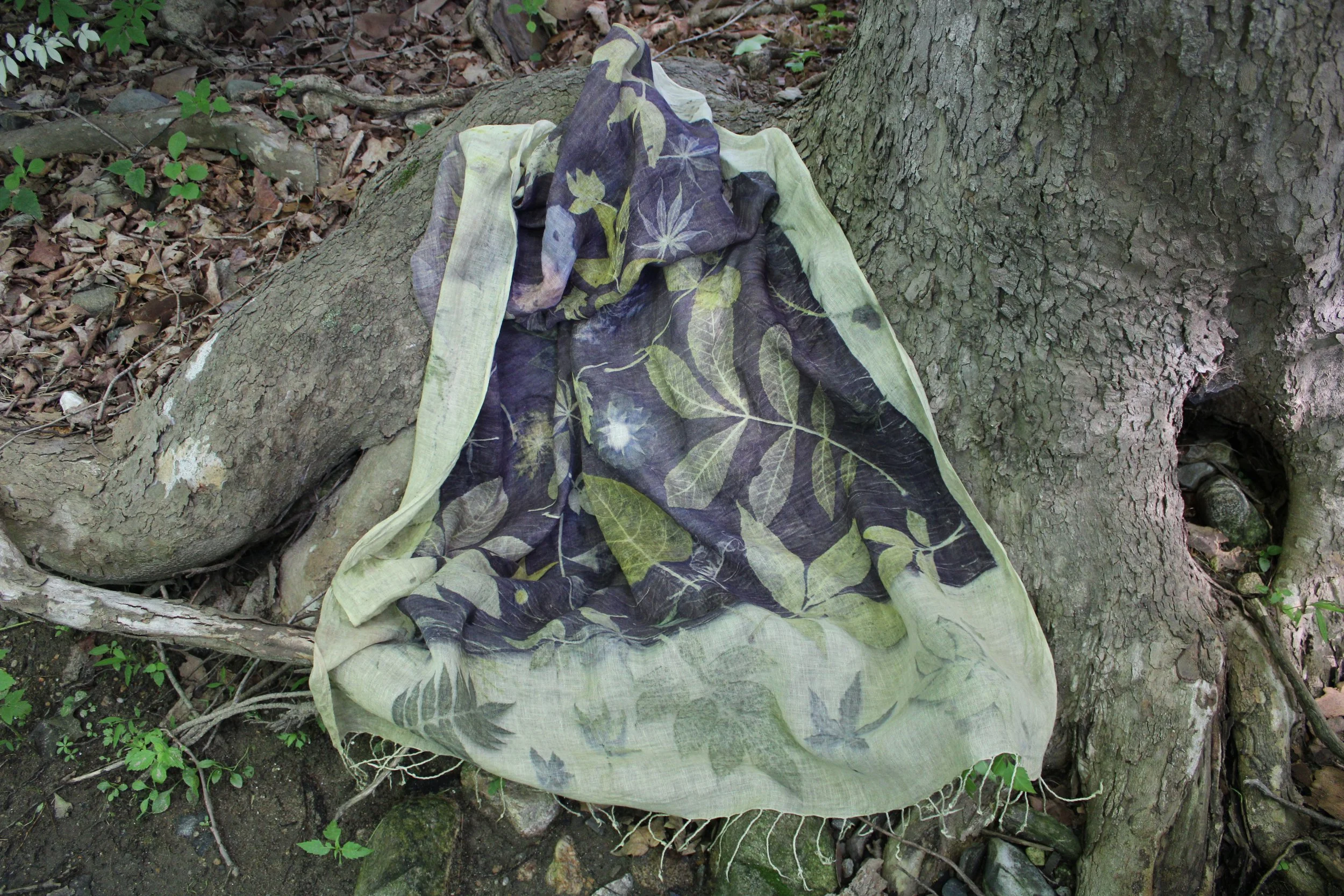
When I discovered eco-printing, I found a process that allowed me to bring the natural world directly into my work with textiles. Leaves, flowers and other plant materials could leave their own impressions on cloth, creating color, shape and pattern in ways that could never be completely controlled.
I was fascinated.
It brought together so many things that had been quietly developing throughout my life: my love of fabric, my curiosity about color, and the attention I had learned to give to the natural world.
What began as experimentation soon became something more. I started collecting plants wherever I went, learning which leaves would reveal themselves beautifully on cloth and how different fabrics, seasons and processes could change the result. Each piece became a collaboration with nature — never entirely predictable, and never exactly repeatable.
Finding My Voice
Over time, experimentation began to give way to intention. I learned which plants offered strong impressions, how different fabrics responded, and how subtle changes in preparation could transform the result.
But I also learned that the most interesting pieces were not necessarily the most predictable ones. Eco-printing gave me a starting point — an impression left by nature — but what happened next was mine to explore.
I began thinking more deliberately about composition, color and form, allowing the botanical impressions to guide the work rather than simply recording them. Each piece became a conversation between what nature provided and what I chose to do with it.
Slowly, a process I had discovered became a way of expressing something uniquely my own.
Beyond the Print
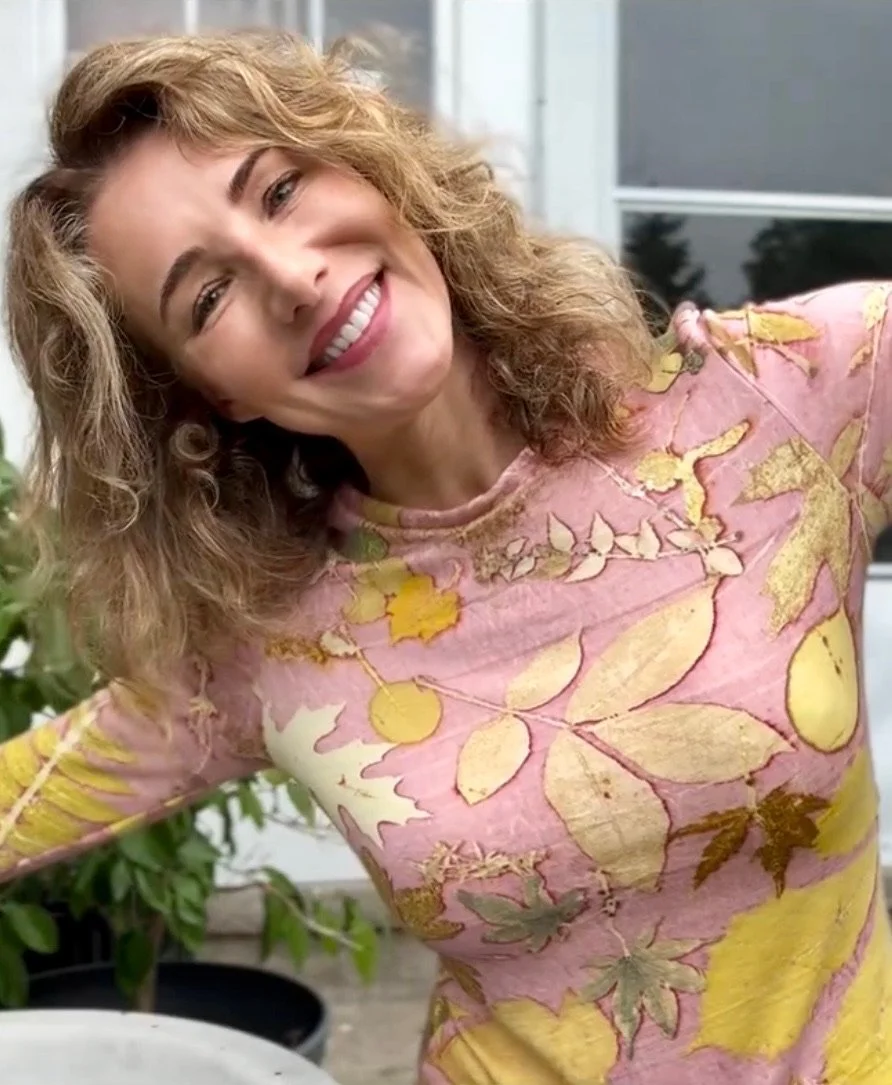
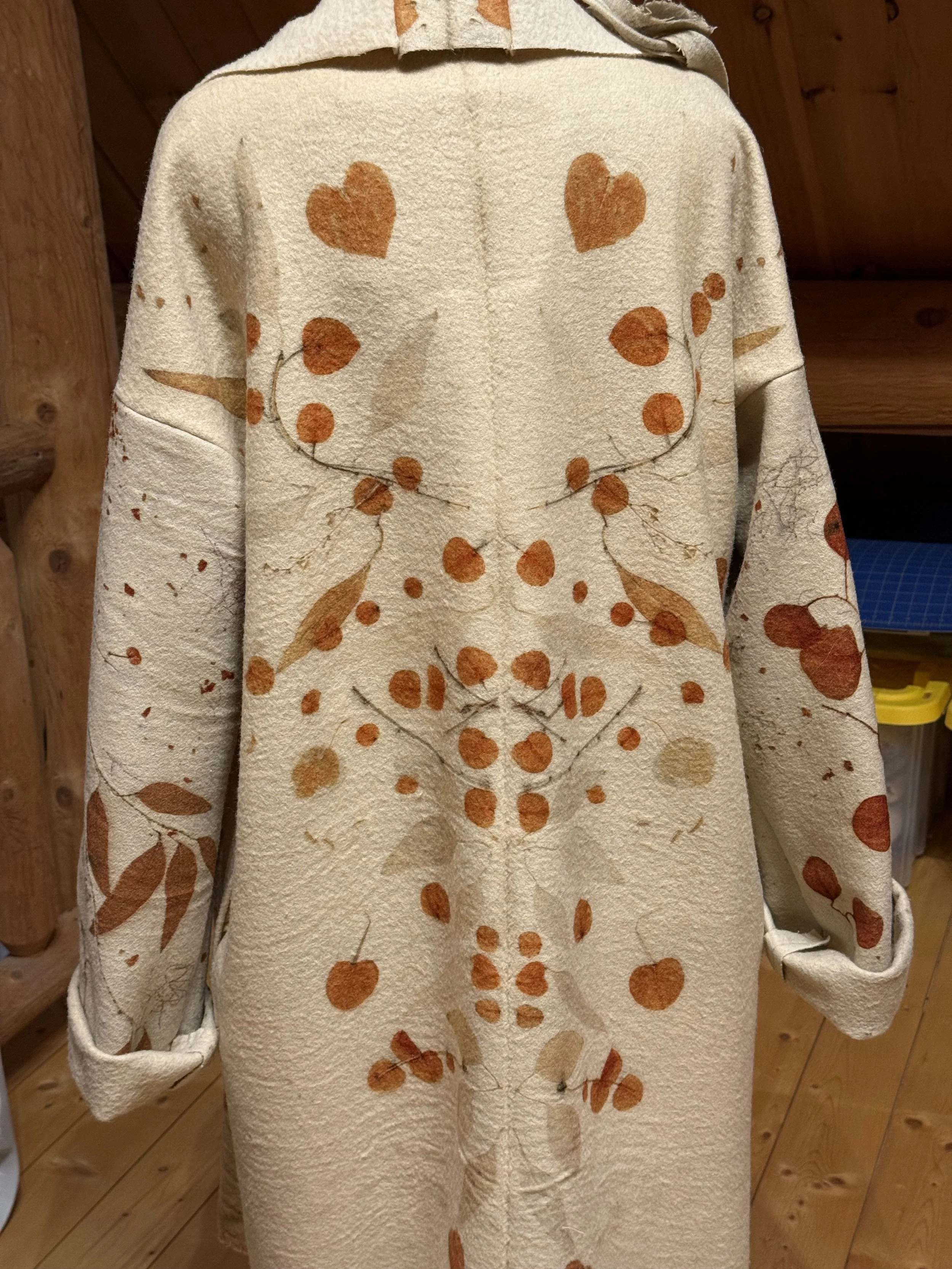
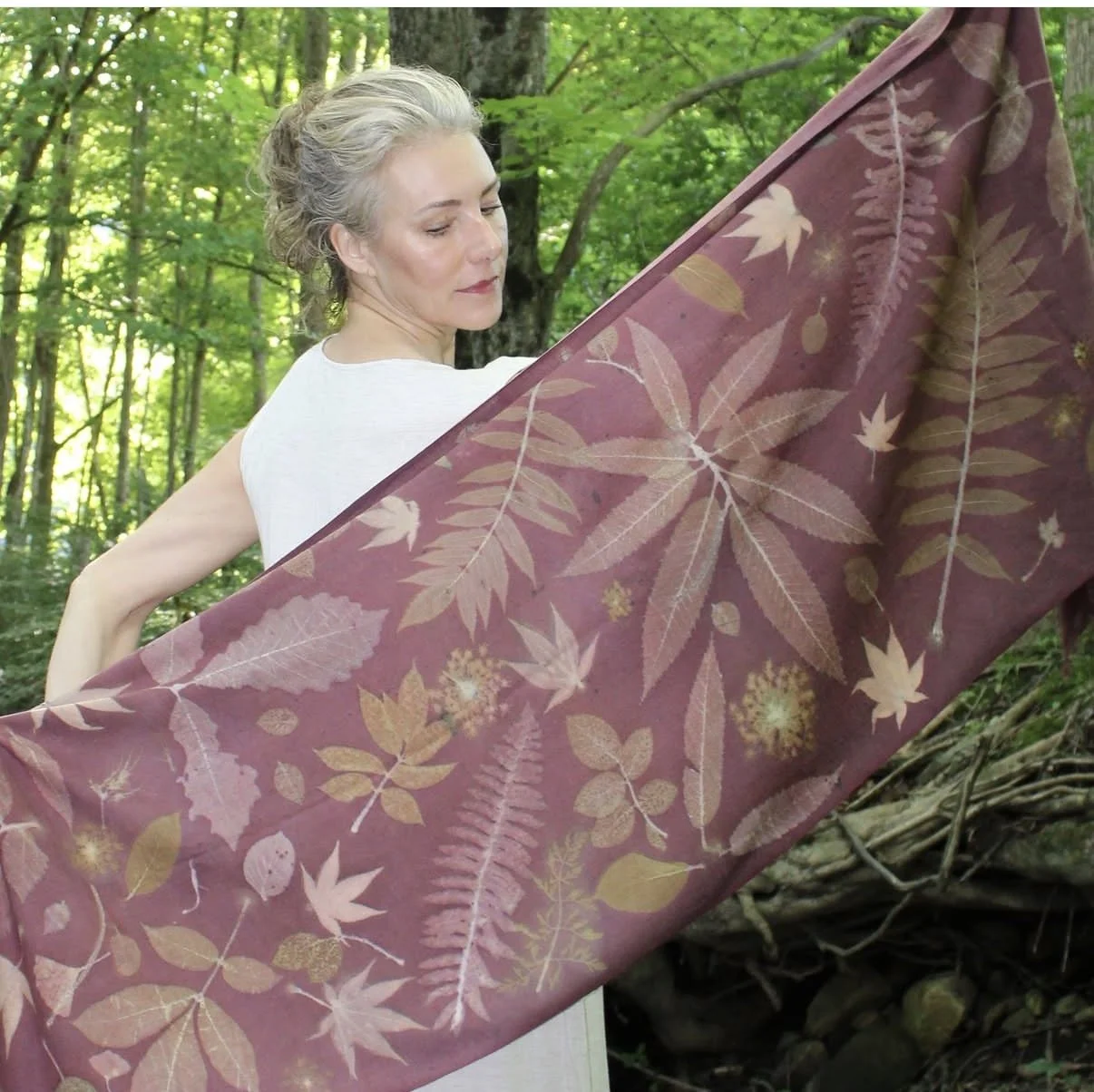
As my work evolved, eco-printing became less an end in itself and more a starting point. Botanical impressions found their way into garments, scarves and other textiles, each piece shaped by the material, the plants and the possibilities I saw within them.
What began as a way of capturing nature on cloth had become a language I could use in many different ways.
Gathered Along the Way
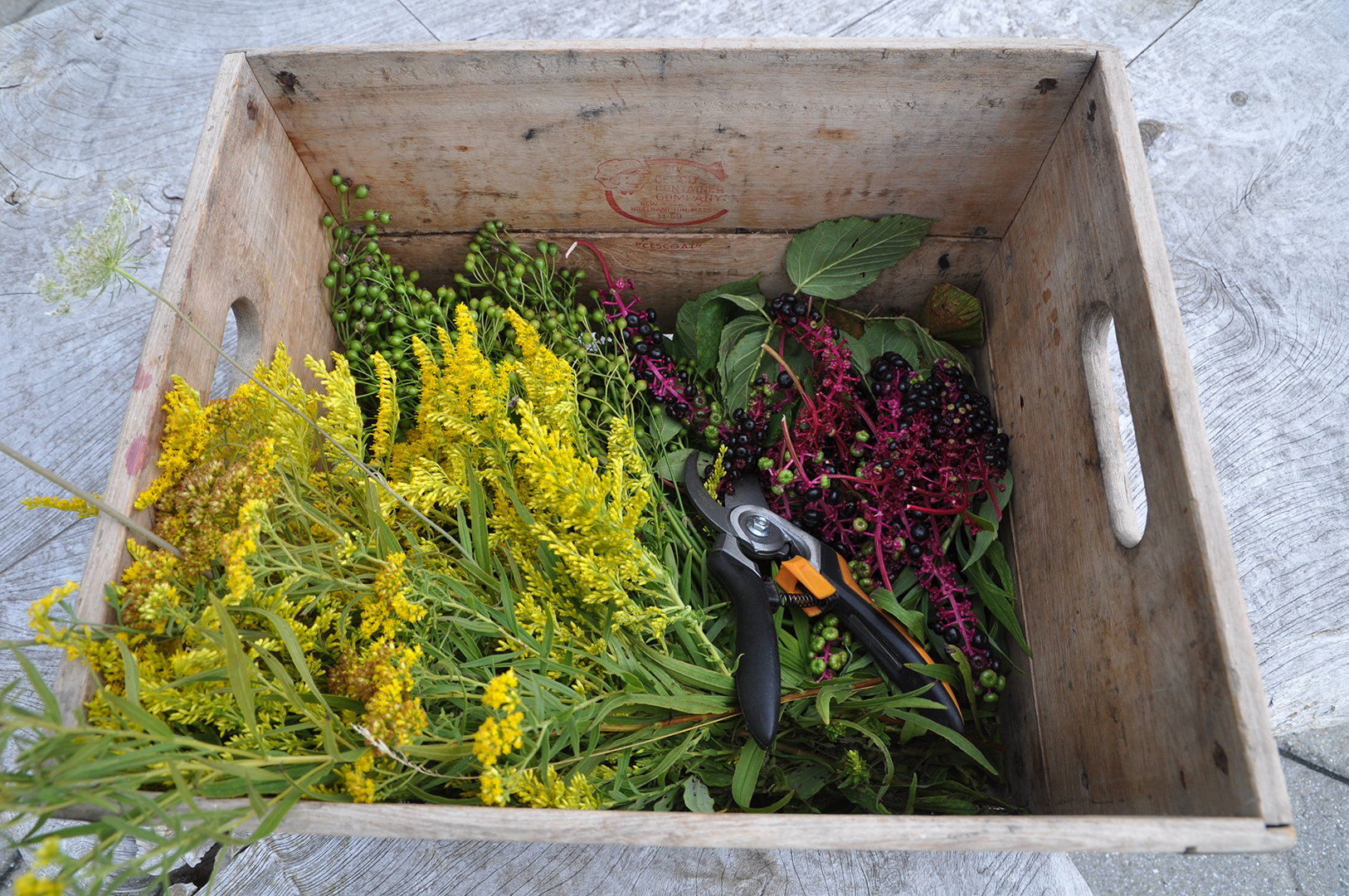
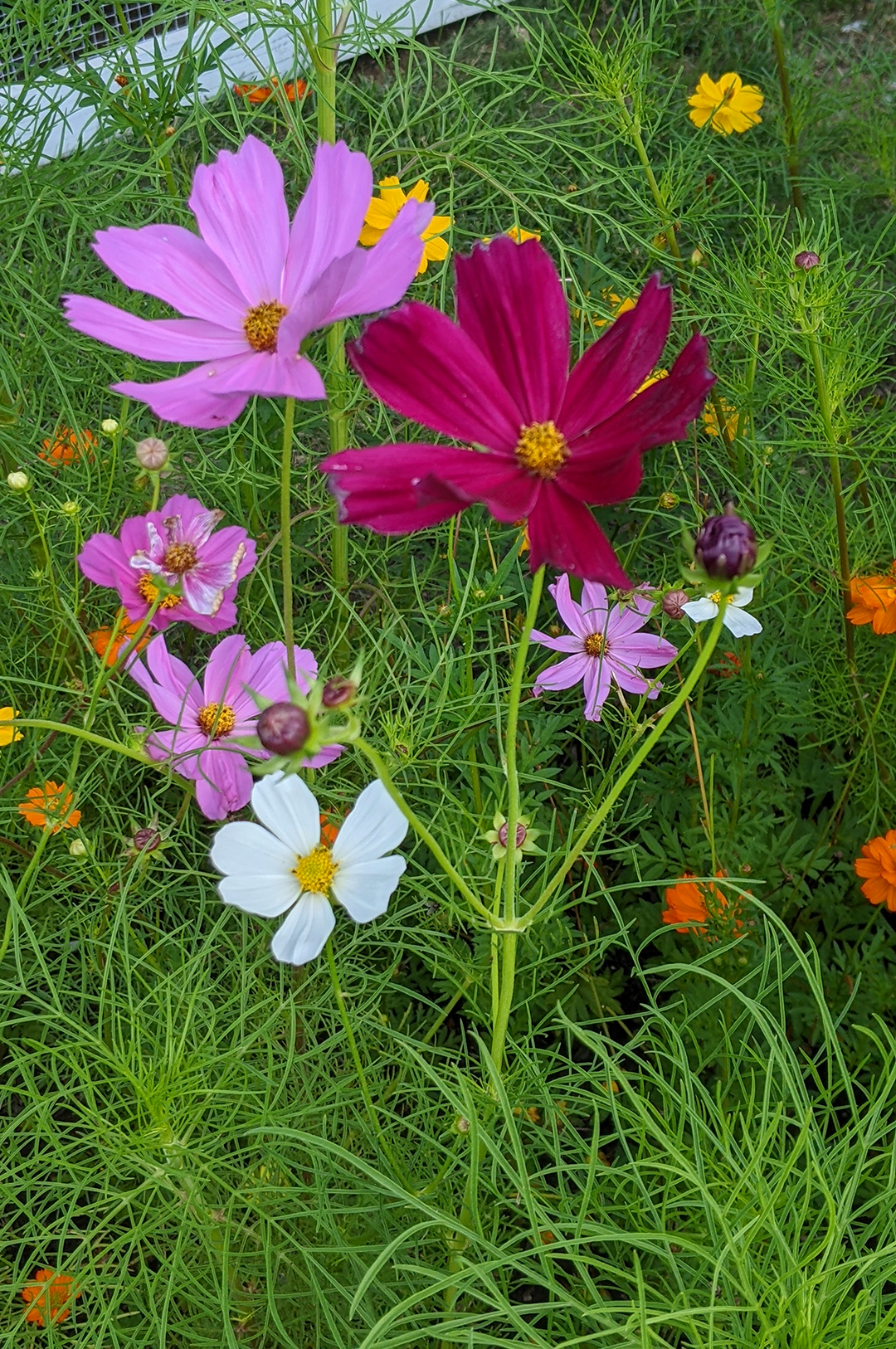
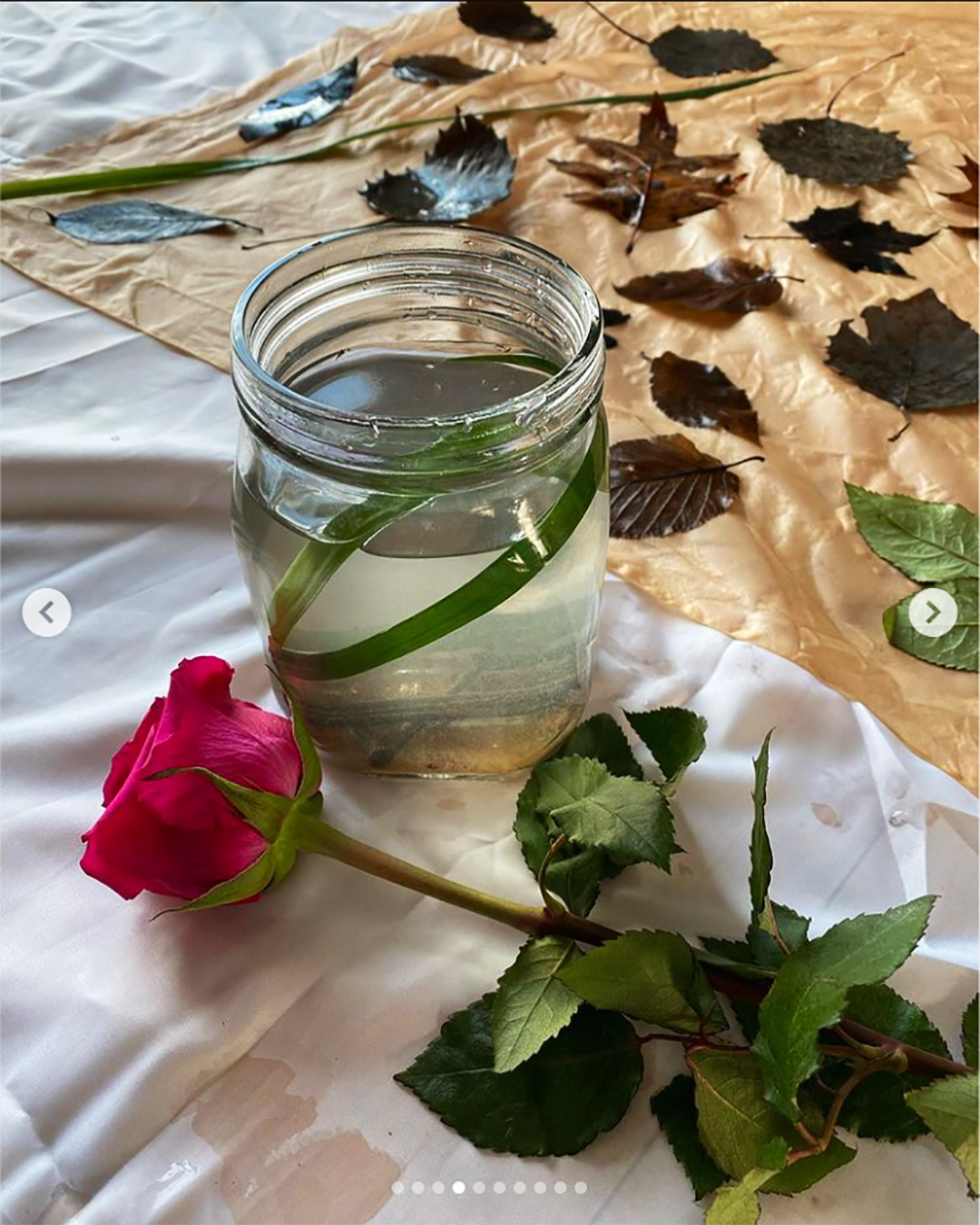
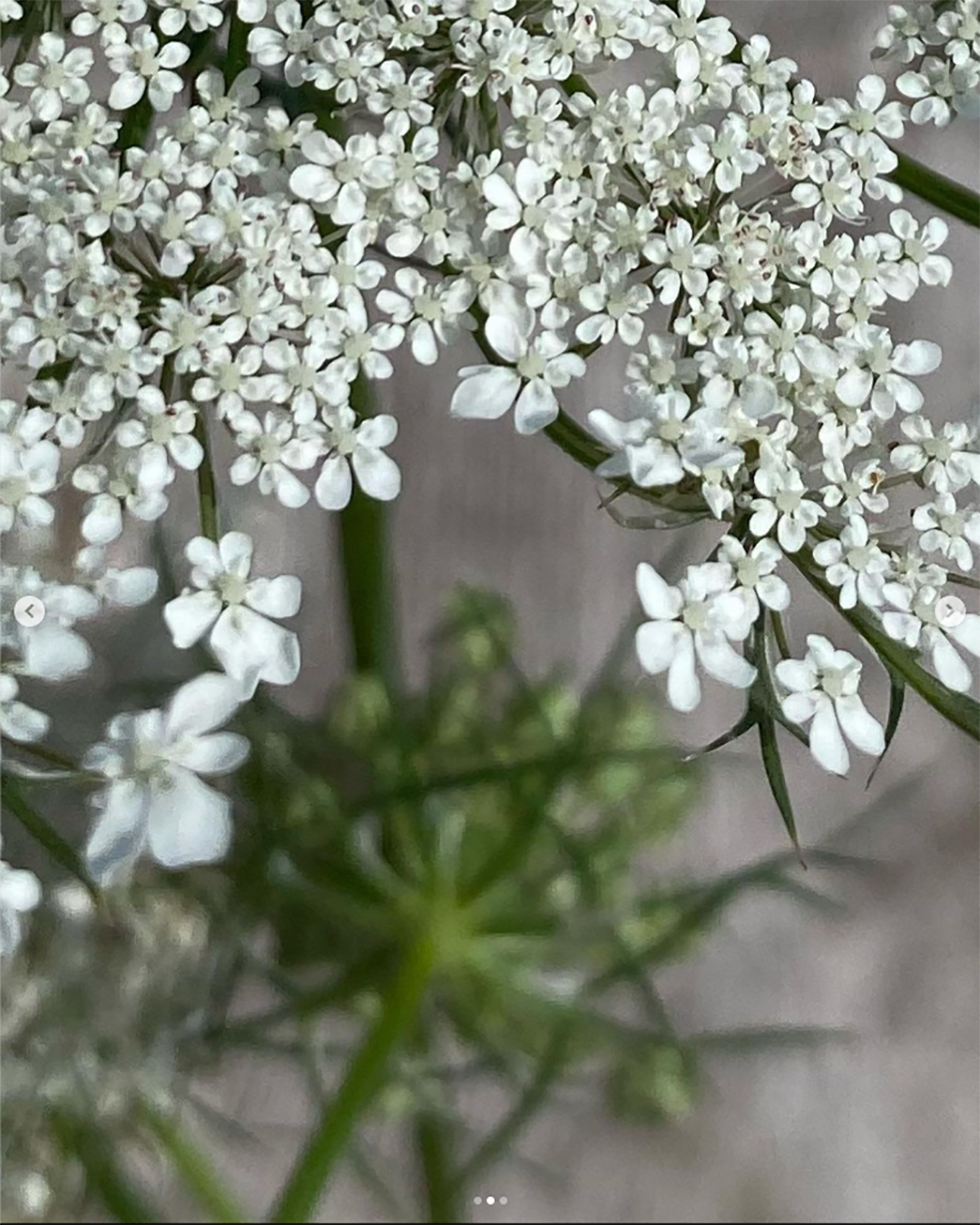
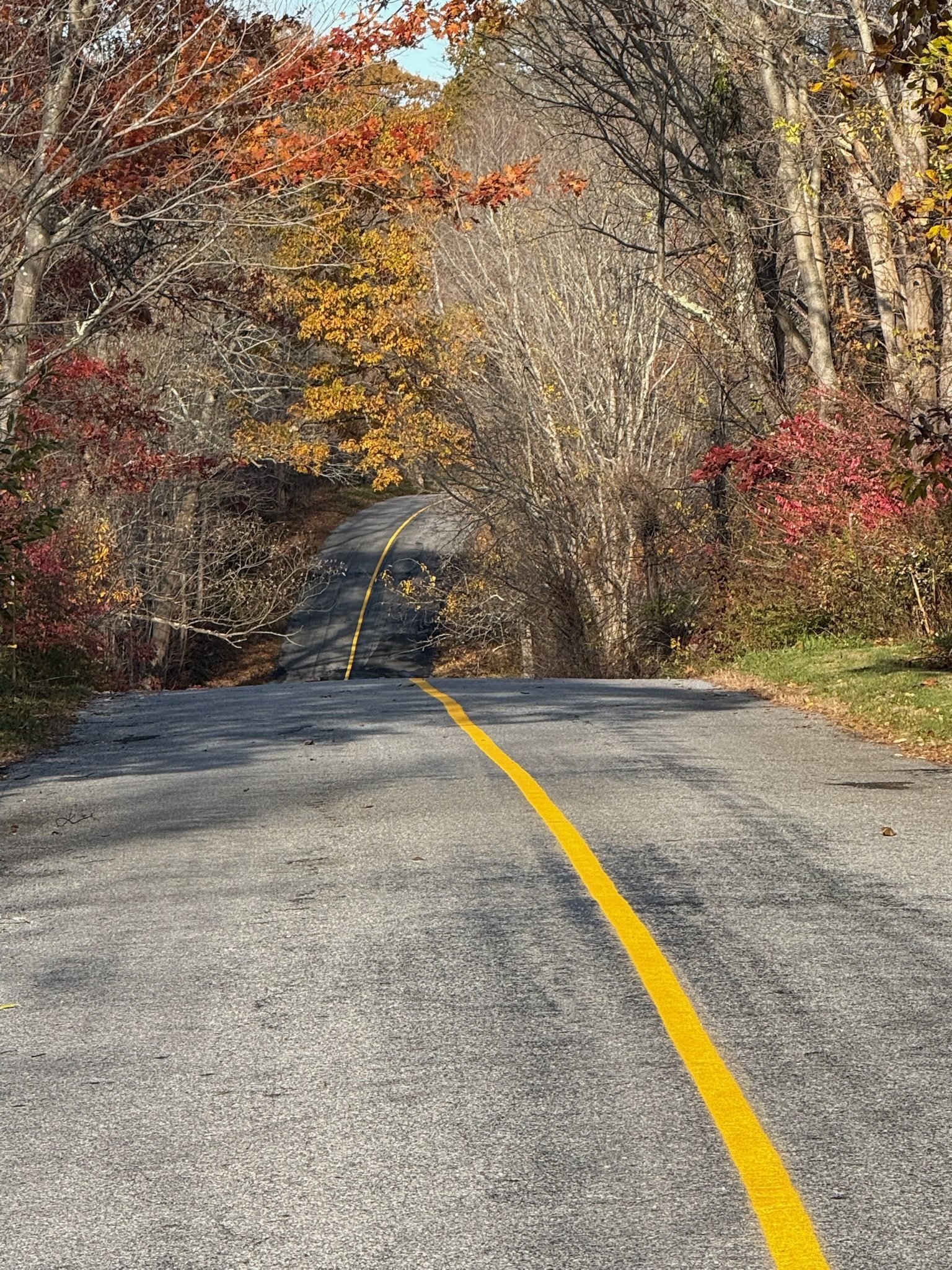
I began to see the landscape differently.
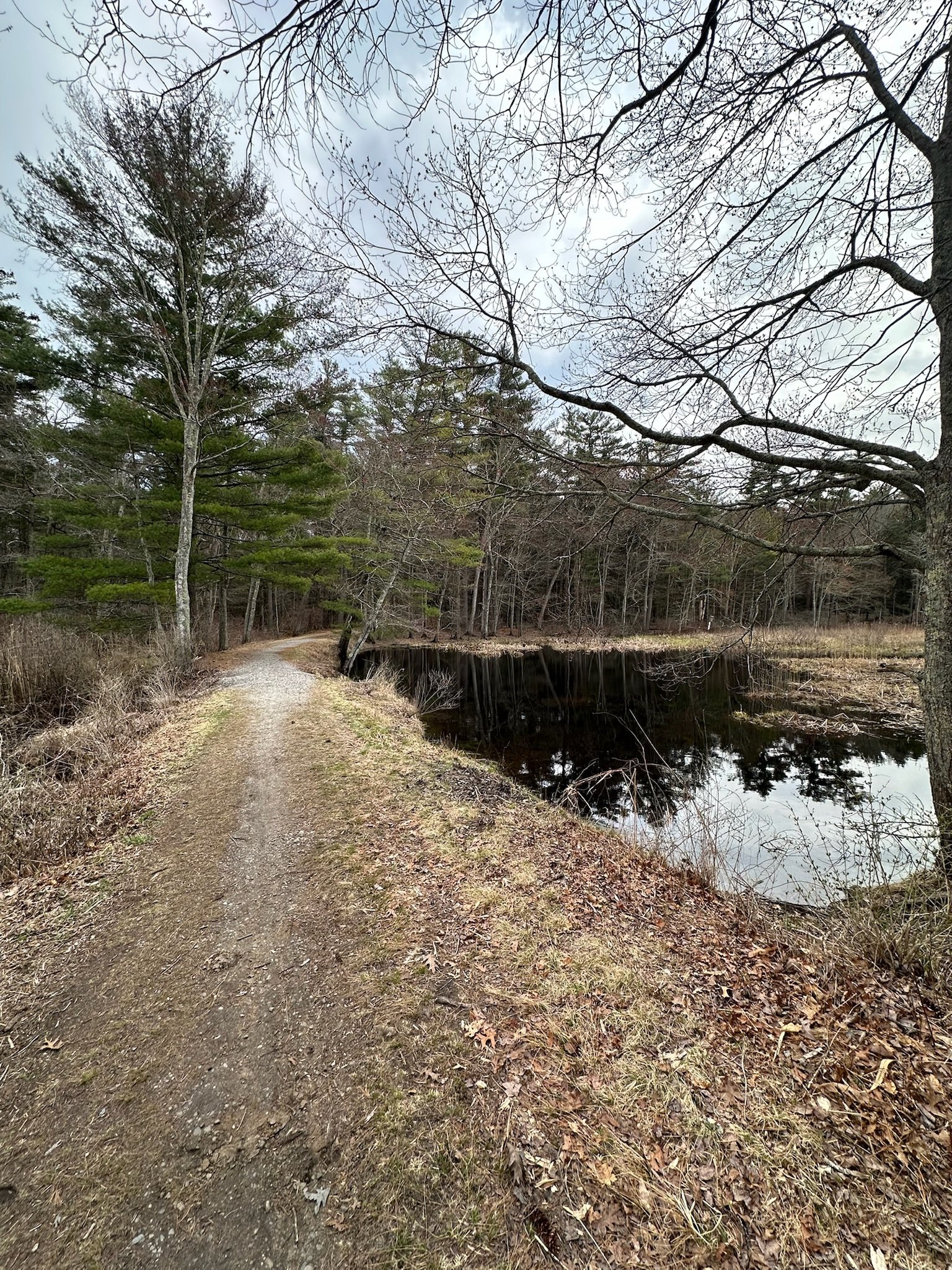
A walk became an opportunity to notice what was growing along the roadside, at the edge of a field, or beside a path. Leaves, flowers and plants that might once have passed unnoticed became possibilities — gathered not simply for what they were, but for what they might reveal on cloth.
Some came from close to home, others from places I traveled. In that way, the landscape itself began to travel with me, finding its way into the work and preserving something of a particular place and moment.
A Sense of Place
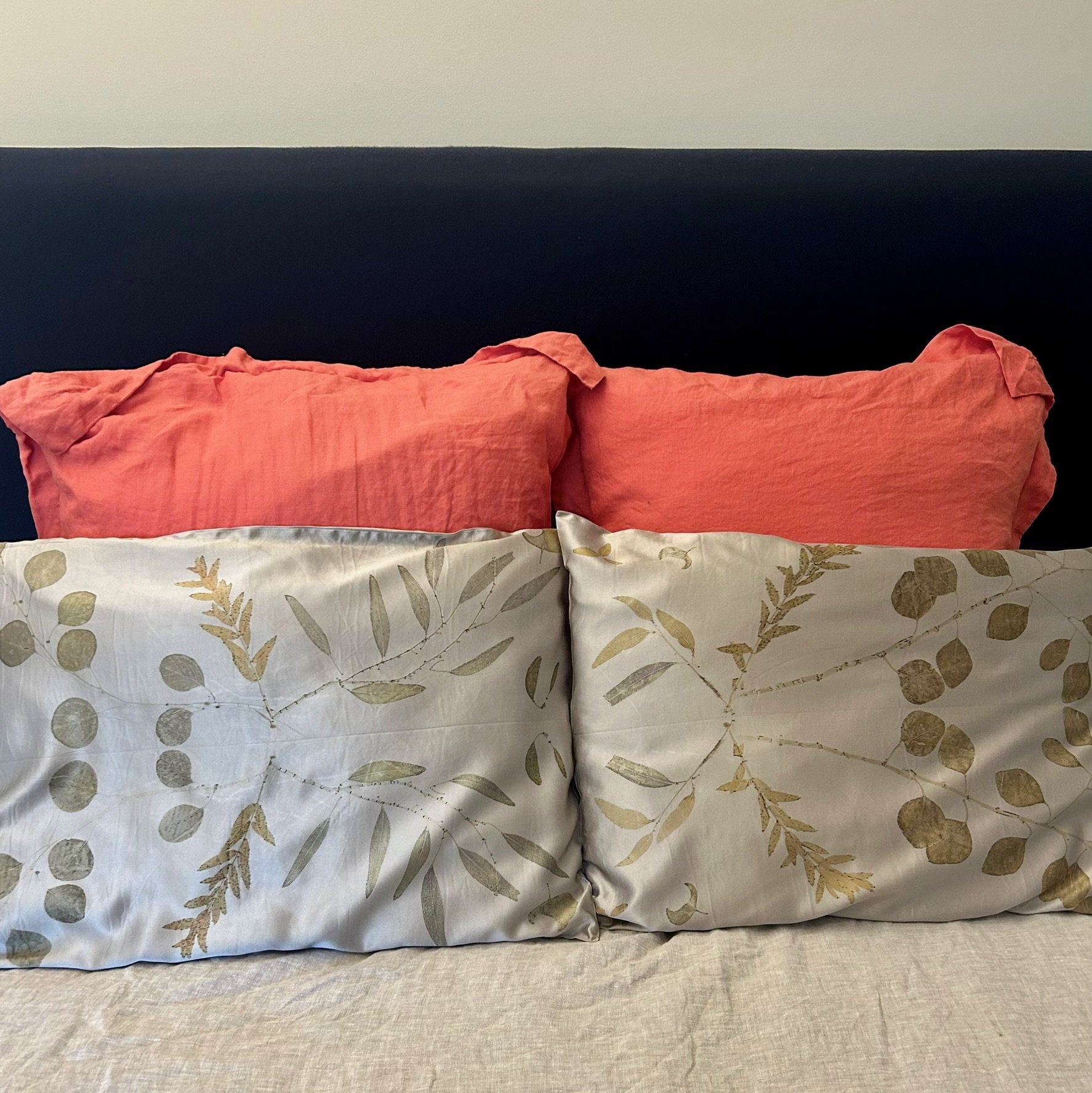
The plants I gather carry a sense of where they came from.
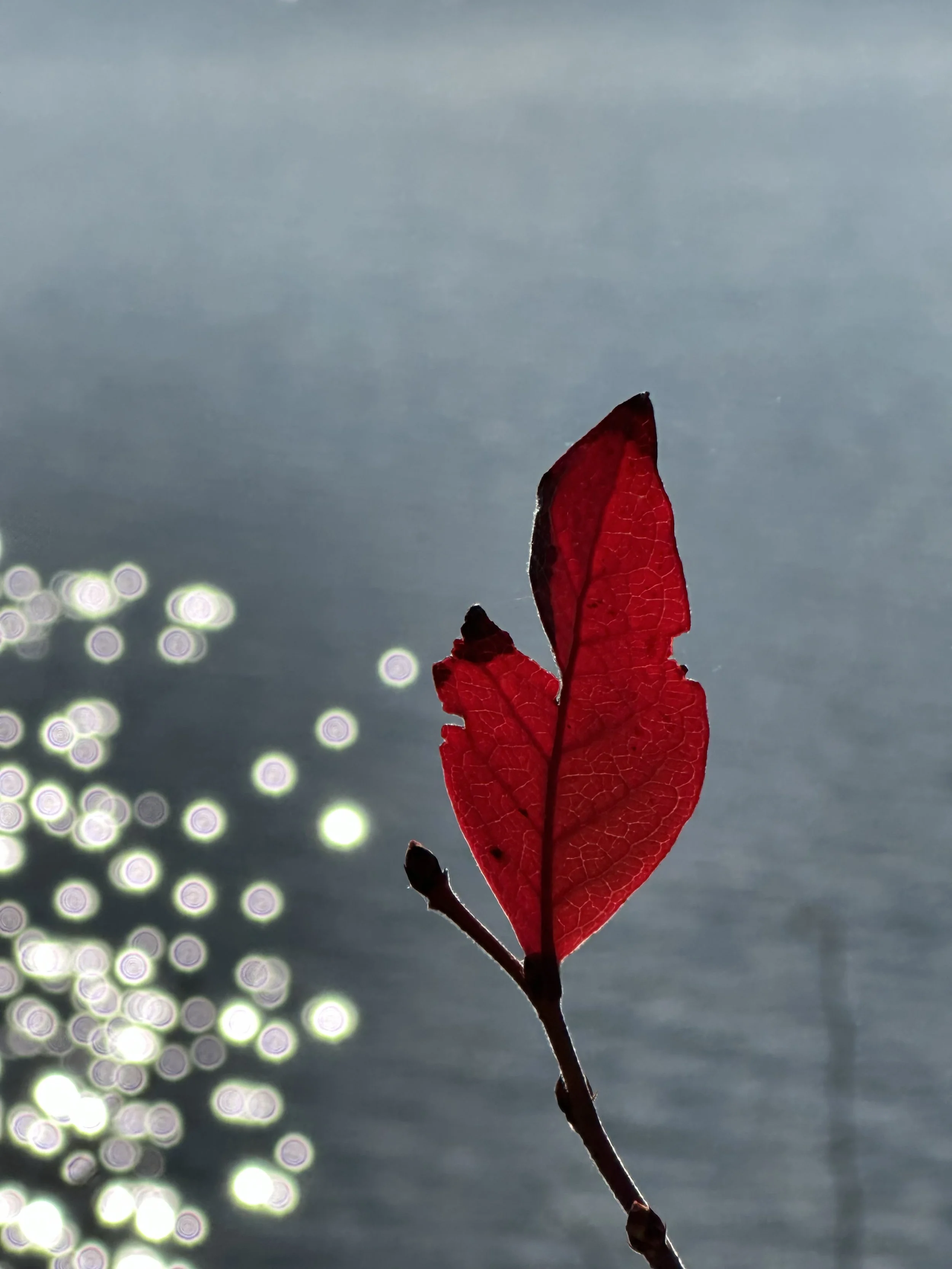
A leaf collected near home, a flower found while traveling, or something gathered during a particular season can become part of a piece long after that moment has passed.
I don’t try to reproduce a landscape literally. What interests me is allowing something of that place to remain — its color, its forms, its imperfections and, sometimes, the memory attached to it.
In that way, each piece becomes more than a textile. It becomes a record of a place and time, transformed through the process of making.